
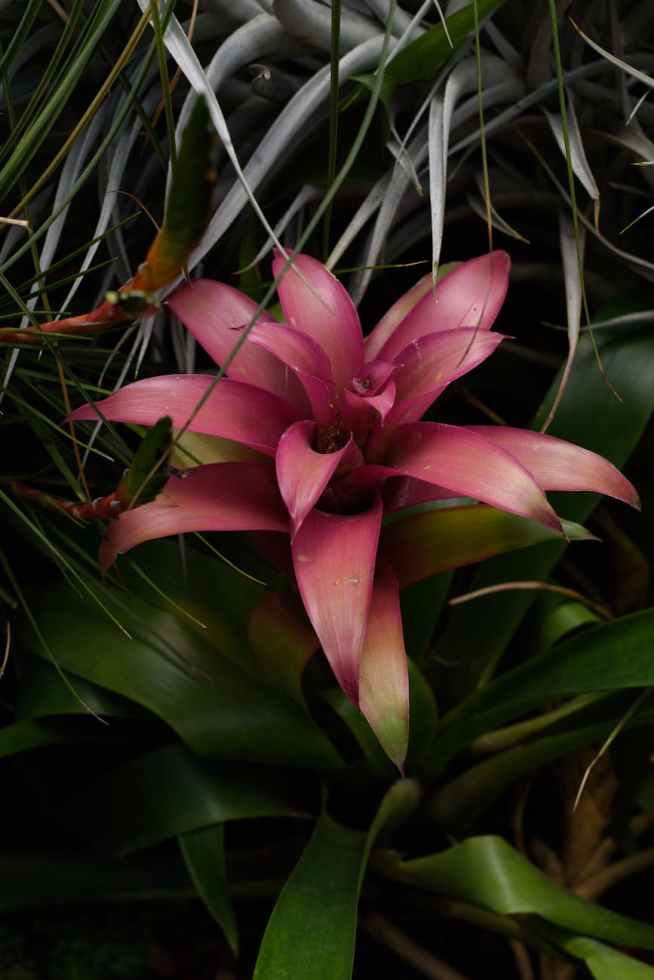
5. Blooming Beauties
Plant seeds or flowers in your garden and watch as they bloom into vibrant bursts of color. Not only is gardening a budget-friendly activity, but it also teaches kids the importance of nurturing and patience.
Planting Tips
1. Choose the Right Plants:
Select plants that thrive in your local climate and growing conditions. Consider planting spring-blooming flowers such as tulips, daffodils, hyacinths, and crocuses, which are perfect for adding vibrant color to your Easter garden.
2. Prepare the Soil:
Ensure your garden soil is well-draining and rich in nutrients to support healthy plant growth. Amend the soil with organic matter such as compost or aged manure to improve soil structure and fertility before planting.
3. Plan Your Layout:
Before planting, sketch out a rough plan of your Easter garden layout. Consider factors such as sunlight exposure, spacing requirements, and plant heights to create a balanced and visually appealing garden design.
4. Timing is Key:
Plant spring-flowering bulbs in the fall for a beautiful display of blooms in time for Easter. If planting annuals or perennials, aim to plant them several weeks before Easter to allow them to establish roots and acclimate to their new environment.
5. Proper Planting Depth:
When planting bulbs, be sure to follow recommended planting depths for each type of bulb. As a general rule, plant bulbs at a depth that is approximately two to three times their diameter. This will ensure proper root development and optimal flowering.
6. Water Wisely:
Provide newly planted bulbs and flowers with adequate moisture to help them establish roots and grow. Water deeply and evenly, ensuring the soil remains consistently moist but not waterlogged. During periods of hot weather or drought, be sure to water more frequently to prevent plants from drying out.
7. Mulch Matters:
Apply a layer of organic mulch such as shredded bark or straw around newly planted bulbs and flowers to help conserve moisture, suppress weeds, and regulate soil temperature. Mulching also adds a neat and tidy appearance to your garden beds.
8. Feed Your Plants:
Fertilize your Easter garden regularly with a balanced fertilizer to promote healthy growth and vibrant blooms. Choose a fertilizer specifically formulated for flowering plants, and follow package instructions for application rates and frequency.
9. Prune and Deadhead:
Remove spent flowers and dead foliage regularly to encourage continuous blooming and maintain a tidy appearance in your Easter garden. Pruning and deadheading also help redirect energy towards new growth and flower production.
10. Protect from Pests and Disease:
Monitor your Easter garden for signs of pests and diseases, and take prompt action to address any issues that arise. Use organic pest control methods such as hand-picking pests, applying insecticidal soap, or introducing beneficial insects to keep pest populations in check.
By following these egg-ceptional planting tips, you’ll be well on your way to creating a stunning Easter garden that blooms with beauty and fills your outdoor space with joy and color.
Happy planting!
 Plot🫀Pulse | Short Stories & Blog
Leave a comment