
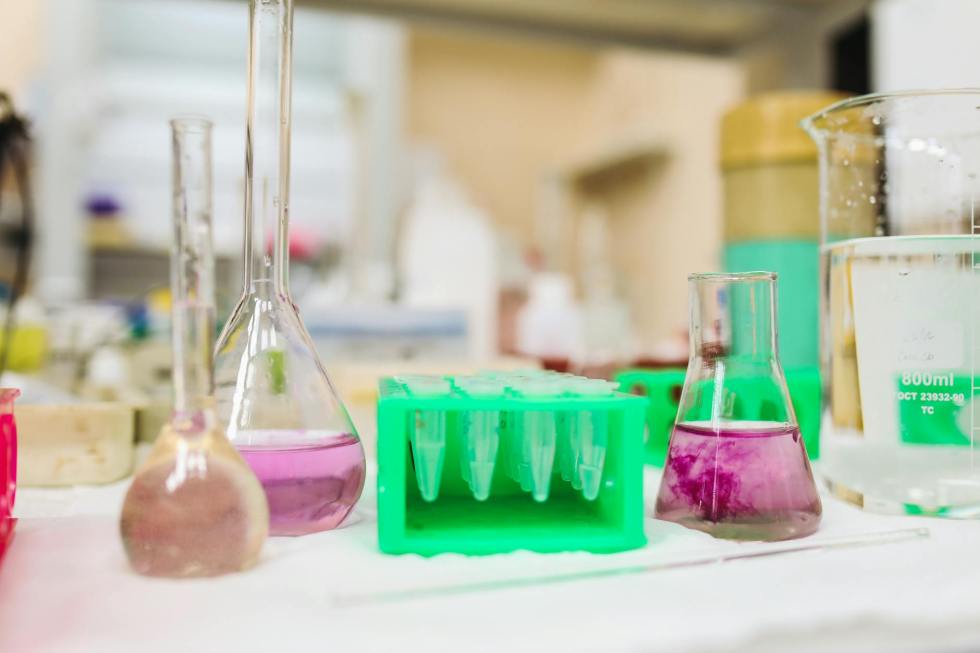
09. Science Experiment Extravaganza
Unleash your inner scientist with a series of egg-ceptional Easter-themed science experiments! Explore the wonders of chemistry, physics, and biology while having egg-citing fun with eggs. From erupting egg volcanoes to mesmerizing egg dyeing techniques, let’s go on a journey of discovery and exploration that will spark curiosity and creativity in s
Erupting Egg Volcano
Materials:
– Hard-boiled eggs
– Baking soda
– Vinegar
– Red food coloring
– Dish soap
– Optional: Small plastic dinosaurs or toy eggs for added fun
Instructions:
1. Set up a workspace with protective coverings and gather all the materials.
2. Place a hard-boiled egg in a small container or dish.
3. Fill the container halfway with vinegar.
4. Add a few drops of red food coloring and a squirt of dish soap to the vinegar.
5. Sprinkle baking soda onto the hard-boiled egg.
6. Watch in amazement as the vinegar reacts with the baking soda, creating a foamy eruption that resembles a volcanic explosion!
7. For added fun, hide small plastic bunnies or small toy eggs in the baking soda before adding the vinegar to create a prehistoric scene.
Experiment 2: Rainbow Egg Dyeing
Materials Needed:
– Hard-boiled eggs
– Food coloring or liquid watercolors
– Vinegar
– Bowls or cups
– Water
– Paper towels or egg cartons for drying
Instructions:
1. Prepare a series of bowls or cups filled with water.
2. Add a few drops of food coloring or liquid watercolors to each bowl, creating a rainbow of colors.
3. Add a splash of vinegar to each bowl to help the colors adhere to the eggs.
4. Gently lower a hard-boiled egg into each bowl, allowing it to soak for a few minutes until the desired color is achieved.
5. Carefully remove the eggs from the dye baths and place them on paper towels or in egg cartons to dry.
6. Admire the vibrant colors of your rainbow eggs and marvel at the magic of chemistry in action!
Experiment 3: Egg Drop Challenge
Materials:
– Raw eggs
– Assorted materials for building protective containers (e.g., straws, cotton balls, tape, paper cups, rubber bands)
– Sturdy surface or outdoor area for testing
Instructions:
1. Challenge participants to design and build a protective container that will prevent a raw egg from breaking when dropped from a height.
2. Provide a variety of materials for building, encouraging creativity and experimentation.
3. Once the containers are constructed, take turns dropping them from increasing heights (e.g., tabletop, staircase, balcony) and observing the results.
4. Celebrate successful designs and analyze what factors contributed to their success.
5. Discuss the engineering principles behind impact absorption and energy transfer, turning the egg drop challenge into a valuable lesson in physics.
Experiment 4: Eggshell Disintegration
Materials:
– Raw eggs
– Vinegar
– Clear containers or jars
– Magnifying glass for closer observation (optional)
Instructions:
1. Place raw eggs in clear containers.
2. Pour vinegar over the eggs until they are fully submerged.
3. Observe the eggs over the course of several days, noting any changes that occur.
4. As the vinegar reacts with the calcium carbonate in the eggshells, bubbles of carbon dioxide gas will form, causing the eggshells to disintegrate.
5. Use a magnifying glass to observe the process up close and discuss the chemical reactions taking place.
6. After several days, carefully remove the eggs from the vinegar and rinse them gently with water to reveal the membrane-covered eggs beneath the dissolved shells.
Experiment 5: Egg Float Test
Materials:
– Raw eggs
– Water
– Salt
Instructions:
1. Fill a bowl or container with water.
2. Gently lower a raw egg into the water and observe whether it sinks or floats.Remove the egg from the water and add salt to the bowl, stirring until dissolved.
Repeat the test by gently lowering the egg back into the saltwater solution.Observe any changes in the egg’s buoyancy and discuss the science behind the results.
Explore concepts such as density and buoyancy, and discuss how saltwater affects the egg’s ability to float.
Experiment 6: Egg Geodes
Materials:
– Raw Eggs
– Alum Crystals (“alum” or “potassium alum” found in the spice isle)
– Hot Water
– Food Coloring (optional)
Instructions:
1. Begin by hollowing out raw eggs by carefully tapping a small hole in one end and a slightly larger hole in the other, then blowing out the contents.
2. Dissolve alum crystals in hot water to create a supersaturated solution.
3. Add food coloring to the solution if desired to create colorful geodes.Pour the solution into the hollowed-out eggs and allow them to sit undisturbed for several days.
4. As the solution evaporates, alum crystals will form inside the eggshells, creating beautiful egg geodes.Carefully crack open the eggshells to reveal the crystalline structures inside and marvel at the natural beauty of your egg geodes.
With these egg-ceptional Easter-themed science experiments, you’ll have a blast exploring the fascinating world of chemistry, physics, and biology while celebrating the holiday in a fun and educational way.
Whether you’re creating erupting egg volcanoes, dyeing eggs in a rainbow of colors, or engineering protective containers for egg drops, there’s something egg-citing for everyone to enjoy. So gather your family and friends, roll up your sleeves, and let the egg-perimentation begin!
 Plot🫀Pulse | Short Stories & Blog
Leave a comment