Why Lighter Firefighter Suits Aren’t Being Used: A Closer Look
Hey there, fire safety enthusiasts and curious minds! I recently was looking into the world of firefighter gear and discovered some interesting insights about why lighter suits aren’t the norm. Let’s break it down and see why traditional suits are still the go-to choice for firefighters.
Proximity Suits: The Standard for Firefighters
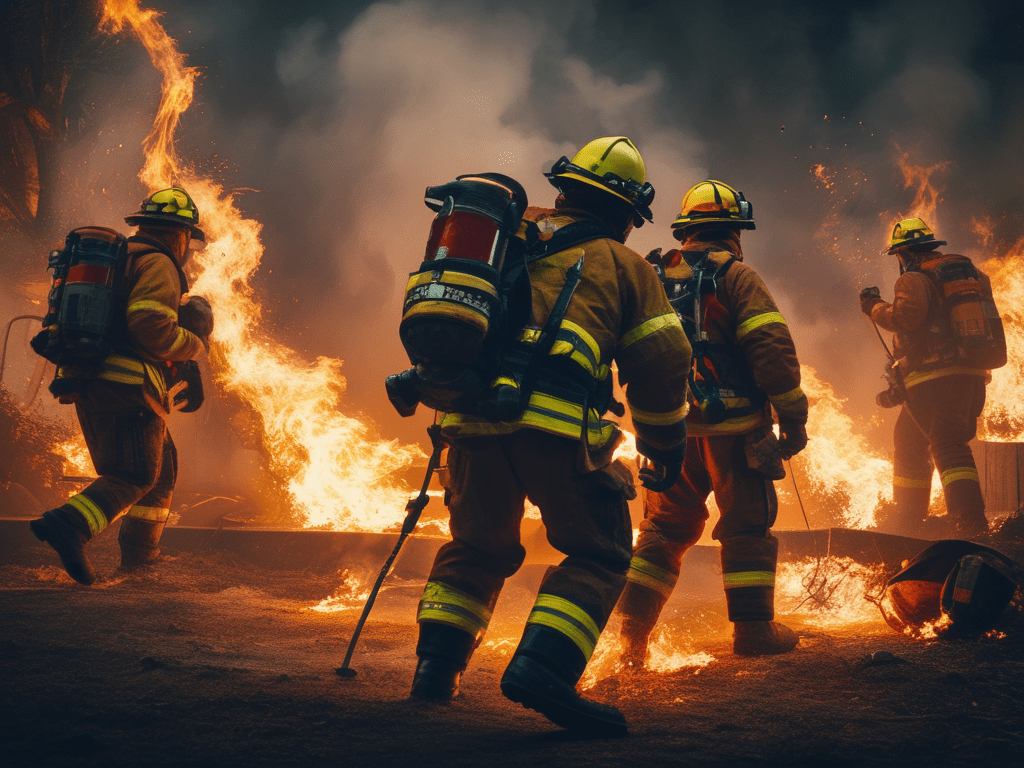
Most firefighters wear proximity suits, which are specifically designed to shield them from the extreme heat and flames of a fire. These suits aren’t built to withstand direct flame contact but are excellent at protecting firefighters from radiant heat and heat transfer. The added bulk and weight of these suits are crucial for their protective properties.
Material Durability: Why Heavier is Better
One key reason heavier suits are preferred is due to the durability of their materials. Proximity suits have an aluminized coating that reflects radiant heat effectively. However, this coating doesn’t handle wear and tear well, degrading over time and diminishing the suit’s protective abilities. Lighter suits, while potentially more comfortable, might not offer the same level of durability needed for repeated use and maintenance.
Cost and Maintenance: The Hidden Factors
Let’s talk about the money side of things. Lighter suits tend to be more expensive than traditional proximity suits. For fire departments operating on tight budgets, this cost difference can be a significant barrier. Additionally, lighter suits might require more frequent maintenance and replacements, adding to the overall expense and logistical challenges.
Balancing Protection and Mobility
Firefighters face a unique challenge when it comes to their gear: finding the right balance between protection and mobility. Imagine being in the midst of a blazing inferno where every second counts. In such high-stress environments, firefighters need to move quickly and efficiently to rescue people, control the fire, and ensure their own safety. This is where the weight and design of their suits come into play.
While the idea of lighter suits is tempting because they could potentially enhance a firefighter’s agility and reduce fatigue, there’s a significant trade-off to consider. Lighter suits might offer better mobility, but they could compromise the level of protection that is absolutely crucial in life-threatening situations. Traditional proximity suits, though heavier, are designed to withstand intense heat and prevent severe burns, which is essential for a firefighter’s survival and effectiveness on the job.
These suits are made with layers of advanced materials, including an aluminized coating that reflects radiant heat, providing a barrier against extreme temperatures. The thickness and weight of these suits are not arbitrary; they are the result of rigorous testing and decades of experience in the field. The added bulk helps to insulate firefighters from the heat and provides a robust shield against flames and debris.
Moreover, the design of traditional proximity suits takes into account the dynamic and unpredictable nature of firefighting. These suits are tailored to allow for a range of motion while still offering comprehensive protection. This balance ensures that firefighters can maneuver through tight spaces, climb ladders, and carry equipment without compromising their safety.
The dilemma of protection versus mobility is a constant consideration in the development of firefighter gear. While advancements in materials and technology are being explored to create lighter yet equally protective suits, the current standard remains the traditional proximity suit. This trusted design has proven its worth in countless emergency situations, providing a critical balance that keeps firefighters safe while allowing them to perform their heroic duties effectively.
In conclusion, while lighter suits may offer some advantages in terms of mobility, the traditional proximity suits are the gold standard for a reason. They provide the essential protection firefighters need to face the dangerous and unpredictable conditions of their job, ensuring that they can continue to save lives and protect property with the confidence that they are as safe as possible.
Are There Alternatives?
Now, you might be wondering if there are any alternative materials that could provide greater protection while reducing heat. Research and development in this area are ongoing, with some promising materials on the horizon:
- Advanced Composites: These materials combine multiple elements to enhance strength and heat resistance. They’re lightweight yet durable, making them a potential future option for firefighter suits.
- Phase Change Materials (PCMs): These materials absorb, store, and release heat to maintain a stable temperature. Incorporating PCMs into firefighter suits could help manage heat more effectively without adding significant weight.
- Aero-Gel Insulation: Known for its lightweight and excellent insulating properties, aero-gel could be integrated into suits to improve heat resistance while reducing bulk.
- Nanotechnology: Advances in nanotechnology are being explored to create fabrics that are both lightweight and highly protective. These fabrics could potentially revolutionize firefighter gear.
While the idea of lighter suits is appealing, the traditional proximity suits remain the preferred choice for many firefighters due to their proven balance of protection and mobility. However, with ongoing research and technological advancements, we might see the development of new materials that could offer enhanced protection while being lighter and more comfortable.
Thanks for joining me on this cool deep dive into firefighter gear! It’s incredible to see the bravery and dedication of firefighters, who rely on their equipment to keep themselves safe while protecting others. As technology advances, we can look forward to even better gear that supports these heroes in their life-saving work.
Stay safe and stay curious!
 Plot🫀Pulse | Short Stories & Blog
Leave a comment