The expedition east was harsher than Elias expected. The snow had thickened as they pushed through abandoned fields and skeletal orchards, each step a quiet argument against turning back. Mara moved with a hollow determination, clutching Lena’s hand as though the girl might vanish if she let go.
By the third day, their food was gone. By the fourth, Lena stumbled with every few steps. Elias caught her each time, but her eyes had dimmed—like a candle eating the last of its wick.
“We won’t make it,” Mara whispered hoarsely as they paused beneath a dead pine. “Not at this pace.”
Elias looked ahead, swallowing frost-bitten doubt. “We will.”
He didn’t know if it was true. But lies had become softer than truth in the hunger months.
As dusk settled, a glow flickered in the distance—a smear of orange against the winter pall. Not fire. Not wild. Something controlled.
“Is that—?” Mara breathed.
Elias nodded. “Has to be.”
They moved faster now, driven by the first sign of hope they’d felt in weeks. As they crested a ridge, the world changed.
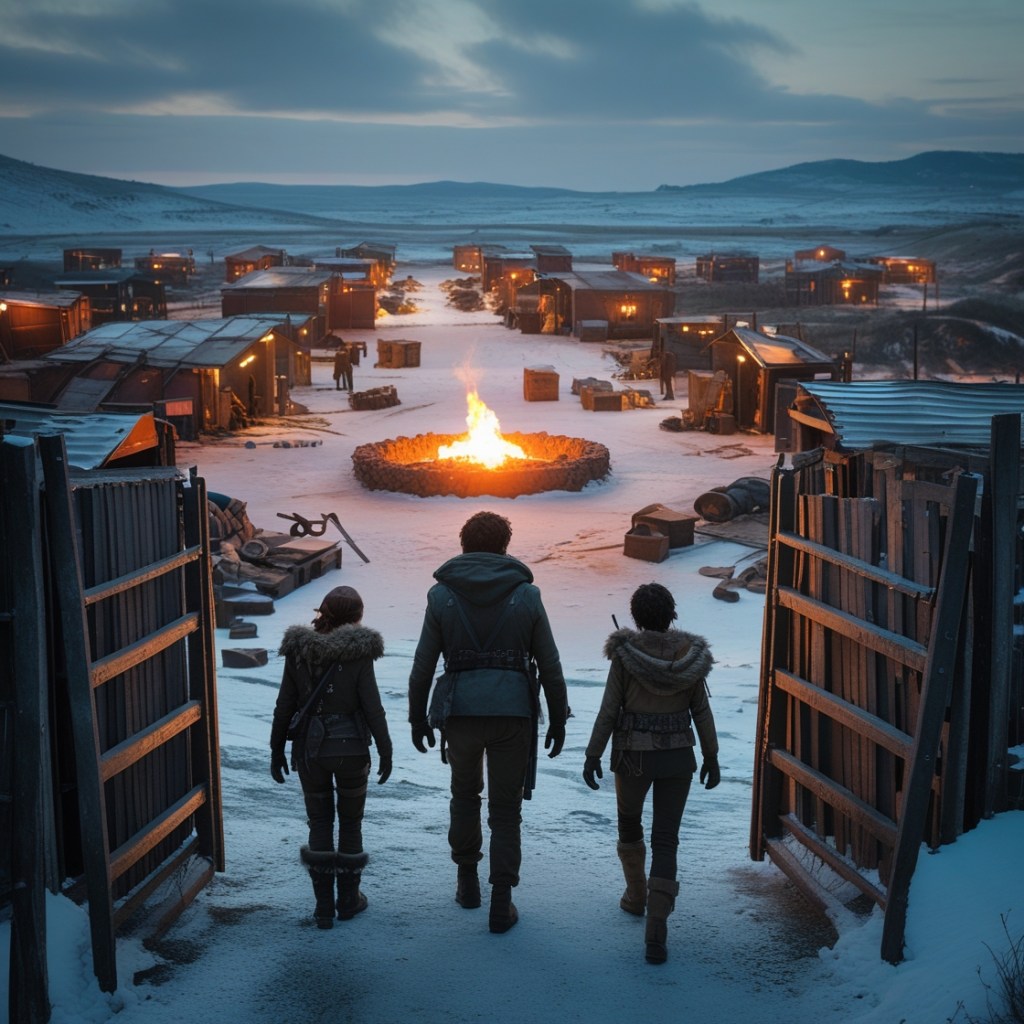
Below them, carved into the ruins of an old industrial yard, stood New Dawn.
A wall of scavenged metal and timber circled the camp, bristling with makeshift watchtowers. Fires burned in raised pits. People moved between tents and converted warehouses like ants in a fragile but functioning colony. Smoke rose in disciplined plumes.

A community. Real. Surviving.
They descended toward the gates.
Two guards stepped forward, rifles slung, their faces hard but not hostile.
“Halt,” one called. “State your needs.”
Elias raised his hands. “Food. Shelter. We can work.”
The guards exchanged a look—one Elias couldn’t read. Pity? Suspicdion?
“We’ll take you to intake,” the other said. “But understand this: New Dawn has rules. Break them, you’re out. Or worse.”
They followed the guards through the gates. Inside, warmth wrapped around them—not just from fire, but from structure, order. It felt like stepping out of a grave.
A woman approached them. Middle-aged, stern, with a coat made from stitched furs and salvaged uniform pieces. Her eyes swept across them sharply.

“I’m Captain Rhea,” she said. “You survive out there long enough, you learn to read people fast. So let me ask plainly—are you trouble?”
Elias shook his head. “No. Just hungry.”
Rhea studied him for a long, uncomfortable moment. Then she motioned to Lena.
“And the girl?”
Mara stepped forward, protective. “She’s a child. She’s no threat.”
Rhea nodded. “Children see more than adults think. Sometimes that’s worse.”
She led them toward a fire-lit warehouse. Inside were cots, blankets, steaming pots of stew. People sat quietly, some talking, some simply trying to remember how to feel warm.
Lena froze.
Elias followed her gaze—and saw what she did.
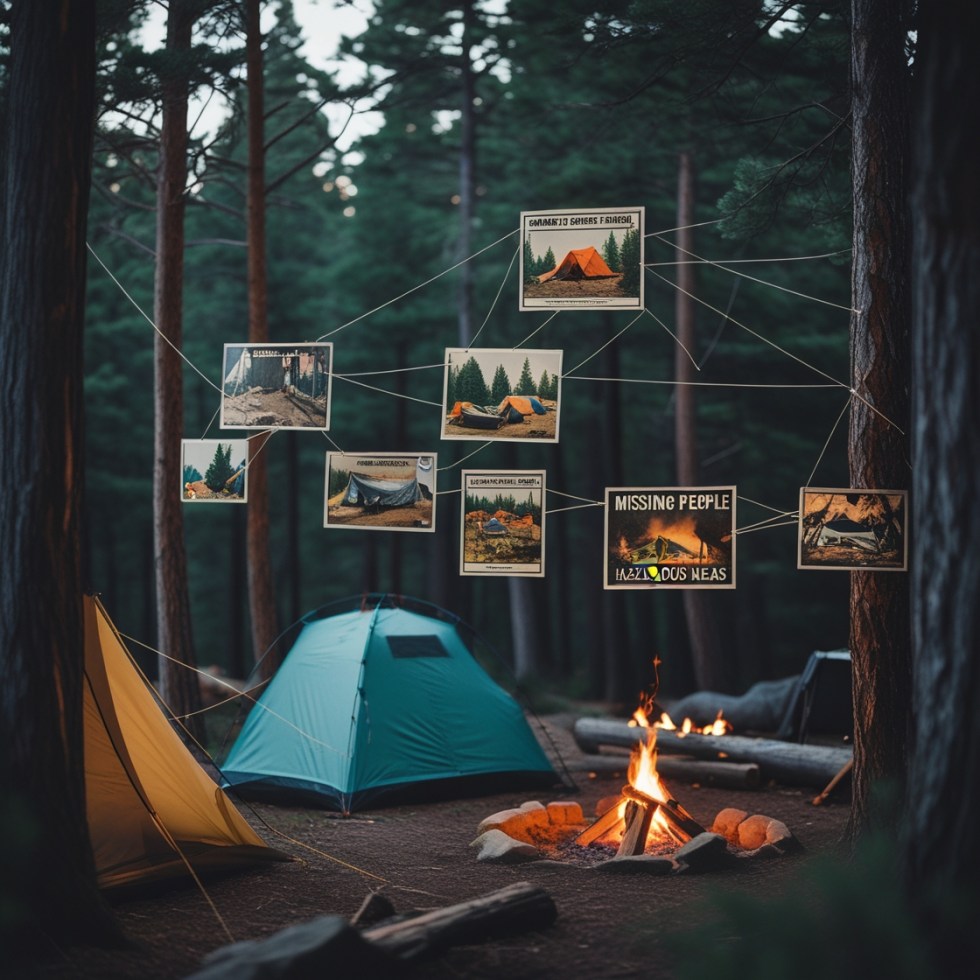
A board of missing-person posters lined one wall. Faces sketched or printed. Notes scrawled beneath them.
One face stood out—half-crossed out, the ink smudged.
“Trade caravan scout: lost near western woods. Last seen approaching a lone campfire.”

Elias felt his breath leave him.
The sketch resembled one of the strangers Rowan had stolen from.
Rhea noticed his reaction. Her voice lowered. “We have enemies. Not everyone believes in rebuilding.”
Elias swallowed hard. “We’re not them.”
“I hope not,” Rhea replied. “New Dawn survives because we enforce peace. That means rules. Curfew. Patrol shifts. No private hunts unless cleared. And…” Her eyes sharpened. “No stealing. Ever.”
Mara flinched. Elias felt his stomach knot.
They found their assigned bunks and settled in. For the first time in months, warmth settled over Elias like a blanket thicker than cloth.
Yet comfort was accompanied by a shadow.
That night, long after Mara and Lena slept, Elias wandered outside, drawn by crackling torches and murmured voices. A patrol group circled the perimeter, disciplined and silent.
Beyond the wall, the world was black and empty.
Within it… it felt like a city being reborn from bones.
“Beautiful, isn’t it?” a voice said.
Elias turned. Rhea stood beside him, staring over the settlement with a soldier’s nostalgia.
“It is,” he admitted.
“Remember that feeling.” She looked at him with unreadable intensity. “Because beauty attracts hunger. And hunger attracts predators. We can’t afford another betrayal.”
Elias’s pulse quickened. “Another?”
Rhea stepped closer. “A month ago, we welcomed a group like yours. They took food. Supplies. Maps.” Her jaw clenched. “We lost eight finding them.”
Elias froze.
The strangers who had found Rowan’s camp… the ones who returned in blood…
Everything was connected.
“You want rebuild?” Rhea said softly. “Good. So do we.” She tilted her head. “But rebuilding means choosing a side.”
“What sides?”
Rhea’s eyes sparkled in the torchlight. “Those who gather under walls… and those who lurk in the wild.”
Elias stared at the flame licking upward, casting shadows like stretched, clawed hands.
He had spent months running from hunger, from violence, from the collapse of the world.
Now he realized the truth:
You couldn’t run from the wild.
It lived in men—on both sides of the wall.
Elias felt the cold bite deeper as the wind swept over the wall, carrying with it the distant howl of something feral—man or beast, he couldn’t tell anymore.
Rhea didn’t flinch at the sound. “Sleep while you can,” she said quietly. “Tomorrow we assess your skills. Everyone works.”
She walked off, leaving him alone with the torches and the creeping darkness.
Elias stared into the wilderness beyond the wall. Snow drifted across the barren fields, erasing old tracks, old sins. But the past didn’t stay buried. Not here. Not now.

Behind him, the camp murmured with fragile life: pots clanging, coughs echoing, low conversations of people trying to remember who they were before hunger reshaped them. For a moment, he imagined what this place could become—if it held, if it grew, if people learned to trust again.
Then he caught movement from the corner of his eye.
A figure stood near the warehouse where the newcomers slept. Small. Still.
Lena.
She was watching him, her thin form silhouetted in the torchlight. Her eyes didn’t look tired—they looked aware.
Too aware.
Elias approached slowly. “Can’t sleep?”
She shook her head. Her voice, when it came, was barely a whisper. “Rowan wasn’t wrong… not completely.”
Elias crouched to meet her eye level. “About what?”
She glanced toward the wall, then toward the campfires inside. “The danger isn’t just outside.”
A chill slid down Elias’s spine. “Lena, what did you see?”
Her gaze drifted toward a group of guards speaking in whispers near the gate. “People disappear here,” she said. “Mara heard them talking… at night. About ration cuts. About who’s worth feeding.”
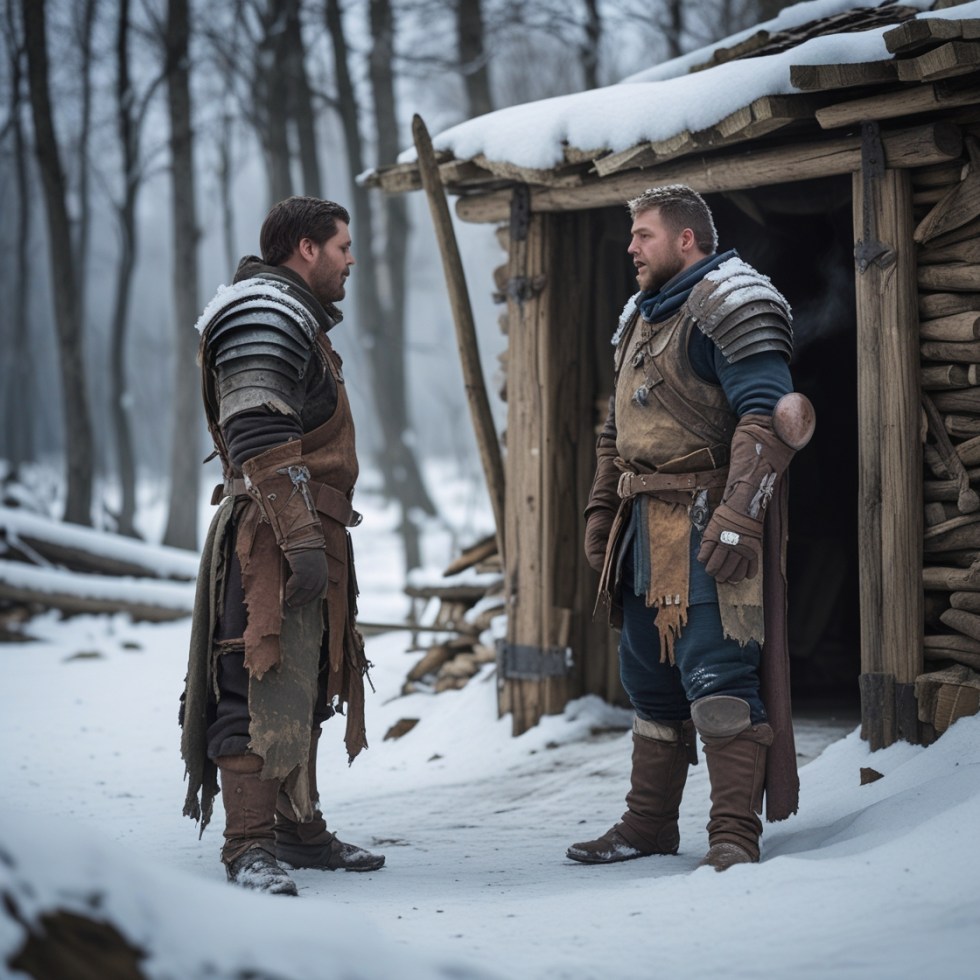
Elias followed her eyes. One guard—broad-shouldered, nervous—kept looking toward the bunkhouse like he was counting something. Or someone.
Lena tugged his sleeve. “Rowan said walls hide the beasts,” she whispered. “You asked which side to choose.”
Elias’s heart thudded.
“And?” he asked softly.
Lena’s breath formed a small white cloud in the freezing air.
“Maybe there are no sides.”
Elias looked over the settlement again, at the walls meant to protect, at the people desperate enough to defend them, at the quiet machinations behind their order.
You couldn’t run from the wild.
It lived in men—on both sides of the wall.
But now Elias understood something sharper, something Rowan had never lived long enough to see:
The wild didn’t stay outside.
And sometimes, the most dangerous beasts were the ones pretending to build a better tomorrow.
 Plot🫀Pulse | Short Stories & Blog
Leave a comment